
Breaking barriers to youth engagement
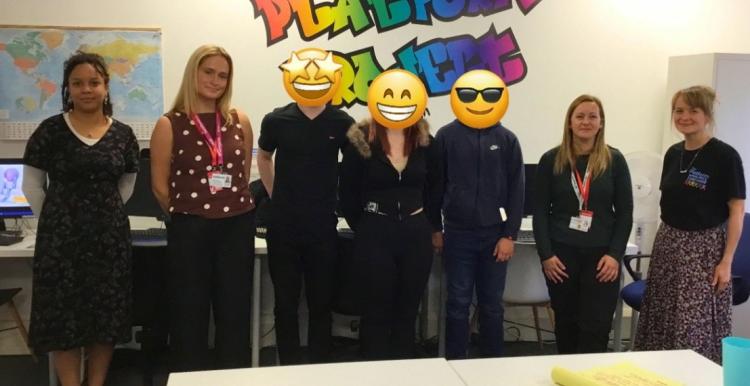
We asked two key questions, ‘What’s the best way for health services to engage with young people?’ and ‘How would you like to share your experience and have your voice heard?’.
Key findings
- Young people want to feel safe.
- Support to help take ownership of their healthcare.
- Honesty and understanding from professionals of young people’s needs, especially Special Educational Needs and Disabilities (SEND).
- Pro-active support.
- The importance of youth groups.
Key recommendations
- QR codes to audio and/or visual files, with guides for booking appointments, what to expect and when to access GP, pharmacy or hospital services.
- Local services to give young people opportunities to ask questions anonymously through digital forms and drop boxes. Workshops with young people to help explore health topics raised.
- Develop a youth panel with key NHS service leads to co-create and implement a code of conduct and agreement that establishes a balance of trust, addressing safety needs and to reduce fear and intimidation.
We’d like to extend a special thank you to all the students who participated and helped form these recommendations.
Platform Project
Experts in enterprise, employability and personal development. Platform Project works with young people to engage, motivate and help progress young people into education and work.
- Providing young people with the opportunity to explore an idea or passion and turn it in to a career.
- Developing skills to build their confidence and thrive in their next steps.
- Their method of connection and support has led to an 89% success rate.
What we heard
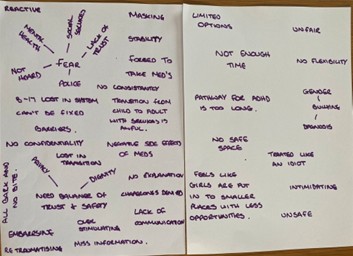
We uncovered several barriers affecting young people’s experience of healthcare.
Services are failing to work cohesively around young people between the ages of 8 – 17 years old, creating a feeling of being ‘lost’ and like they ‘can’t be fixed’.
Lack of trust, communication or explanation indicates a breakdown in dialogue. This can lead to young people feeling intimidated and receiving misinformation.
Fear of services and being forced to take medication suggests interventions are often felt coercive or harmful. During a critical time, young people reported feeling embarrassed, retraumatised and masking to achieve emotional safety.
A lack of consistency and challenges whilst waiting for services is causing disengagement and difficulty navigating from child to adult services.
Discrimination for both gender and SEND was highlighted. Young people reported experiences of ‘unfair’ treatment, being ‘treated like an idiot’ and being provided with less opportunities due to their gender.
Reports of ‘limited options’, ‘not enough time’ and a lack of resources highlight the current challenges services face, with increasing demand and unable to facilitate young people's needs.
When we asked what their needs are to overcoming these barriers, they expressed a need to feel safe and take ownership of their health.
- Support to become pro-active and a request to save their youth groups.
- Being able to interact with their peers in a safe environment away from educational settings is vital.
- They also found leaflets and web guides difficult to read, calling for more interactive forms of communication via QR codes.
Next steps
At Healthwatch Swindon, we are committed to ensuring the service users voice is heard. Involving young people in the shaping of our services allows them to evolve with relevance and respect.
- Equipping professionals with the skills to recognise and respond to trauma without retriggering.
- Creating smoother pathways and transitions between services. In turn offering an environment whereby young people feel secure, heard and respected.
If we adopt all these elements, services can then provide equitable care and improve health outcomes.
Our commitment to ensure young peoples voices are heard and addressed starts with us here at Healthwatch Swindon. At the end of our workshop, we asked how the students found the session and we received the following comments:
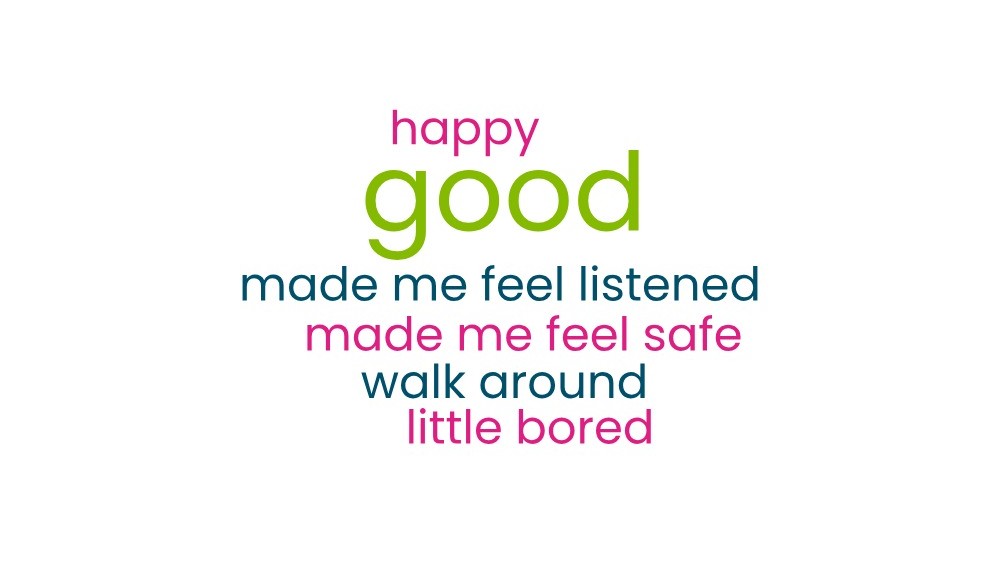
We will use this feedback to sculpt our approach and in turn share our findings with the following key stakeholders:
Swindon Borough Council – Children and Adult Social Care Leadership Team:kKey audience for trauma-informed recommendations and support for vulnerable members of our community.
Bath and North East Somerset, Swindon and Wiltshire Integrated Care Board – Designing and commissioning NHS services locally.
Oxford Health and Avon and Wiltshire Mental Health Partnership – main provider of mental health services in Swindon.